How a Pushcart in Oregon Became a Drive-Through Empire
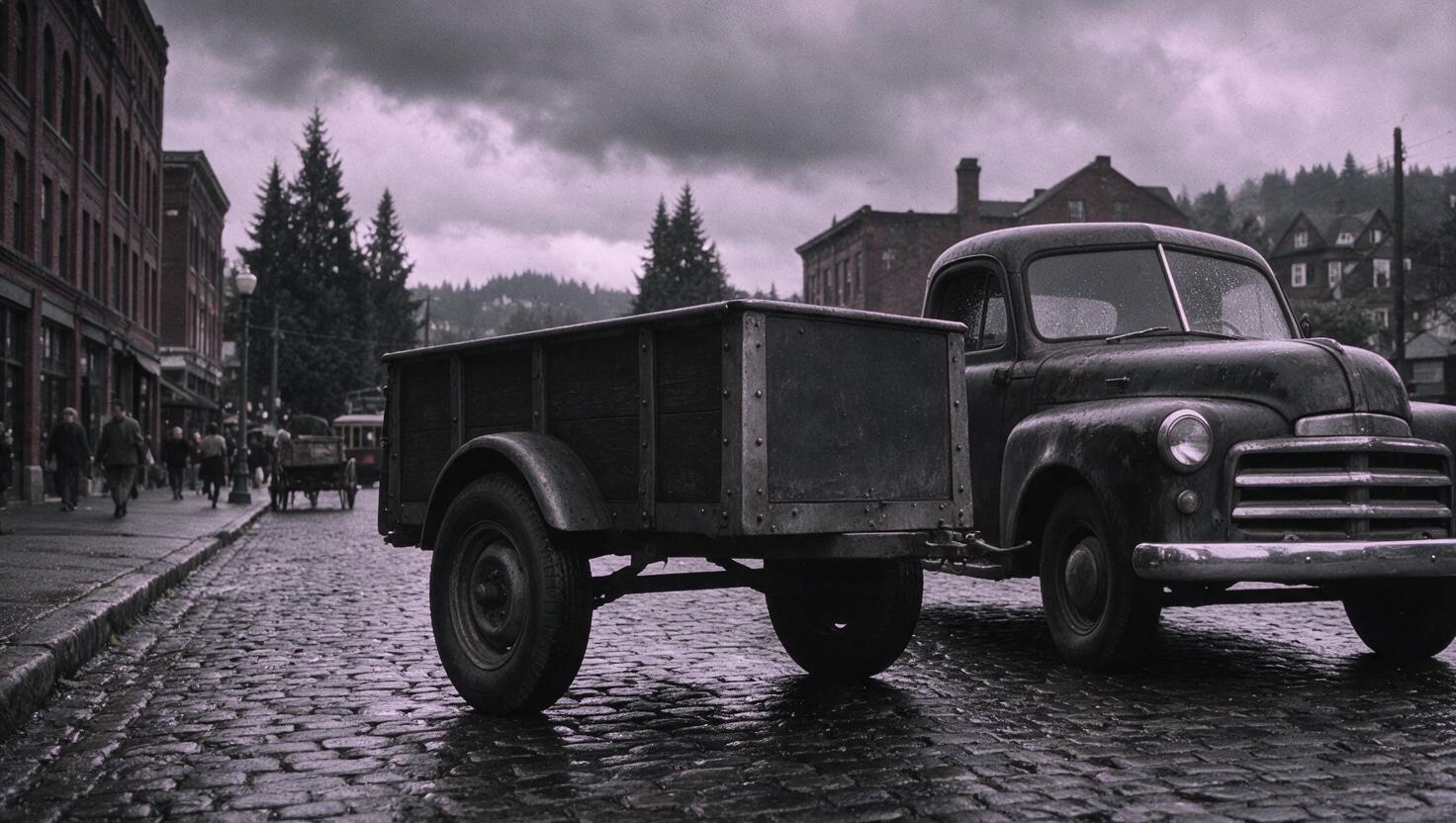
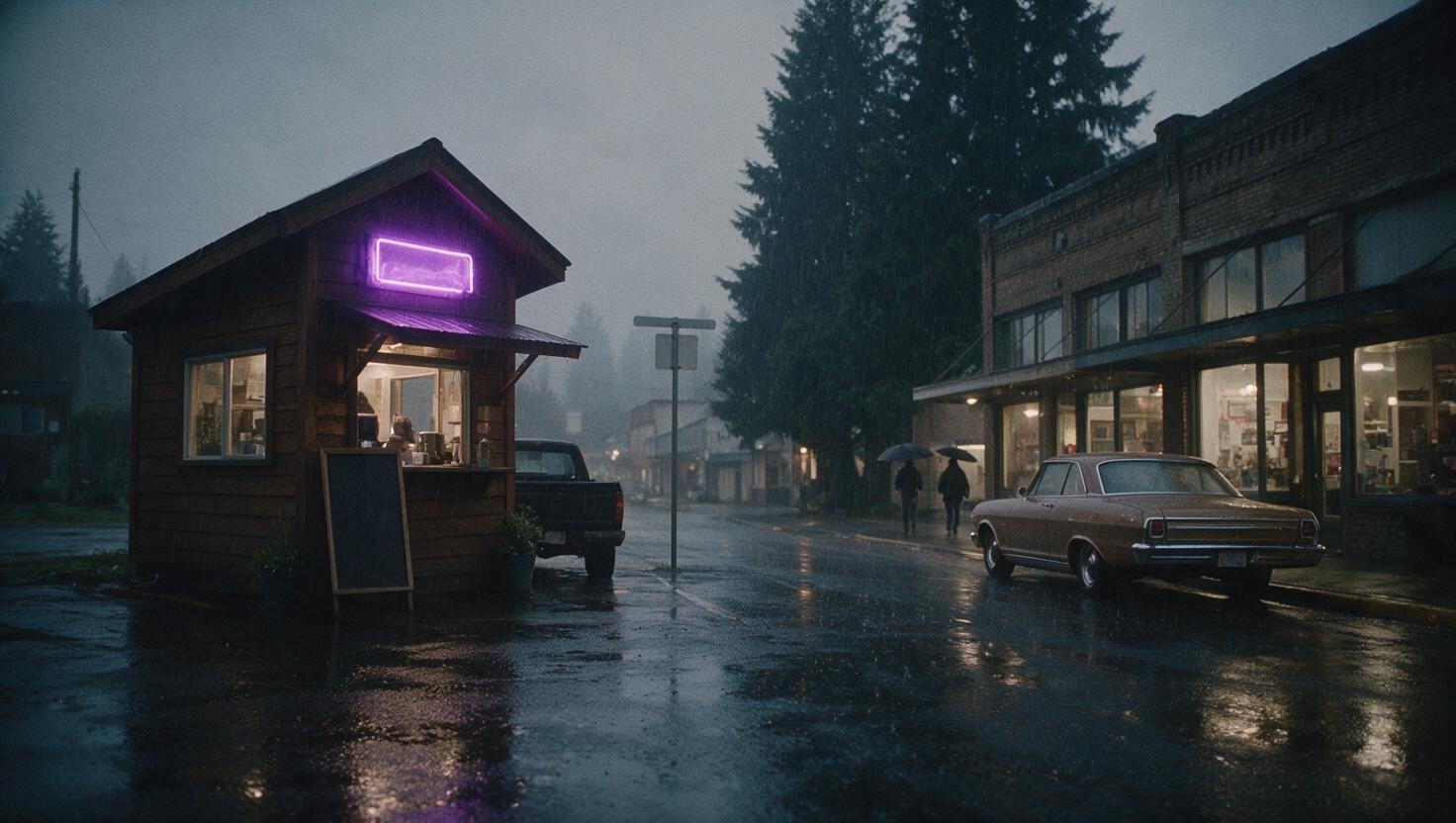
Two brothers in southern Oregon started with a pushcart coffee operation in 1992. What followed was one of the more unusual expansion stories in American coffee.
Documentary stories. One question: how did it get big?
Two brothers in southern Oregon started with a pushcart coffee operation in 1992. What followed was one of the more unusual expansion stories in American coffee.
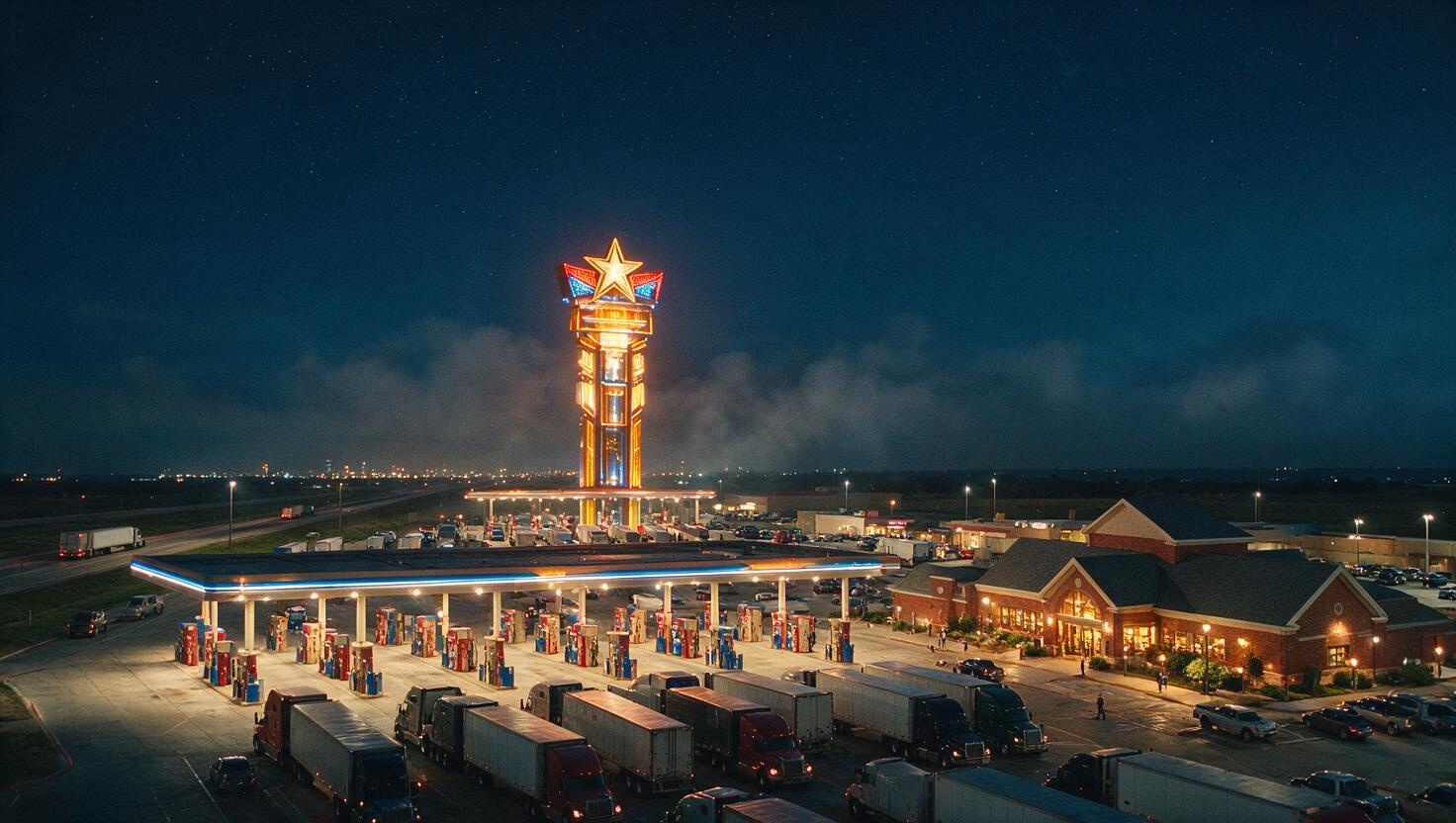
In 1982, a gas station opened in a small Texas town. The original idea had nothing unusual about it. The destination it became is a different matter.
Every other major fast food chain expanded through franchising. This one looked at that model and chose something different.
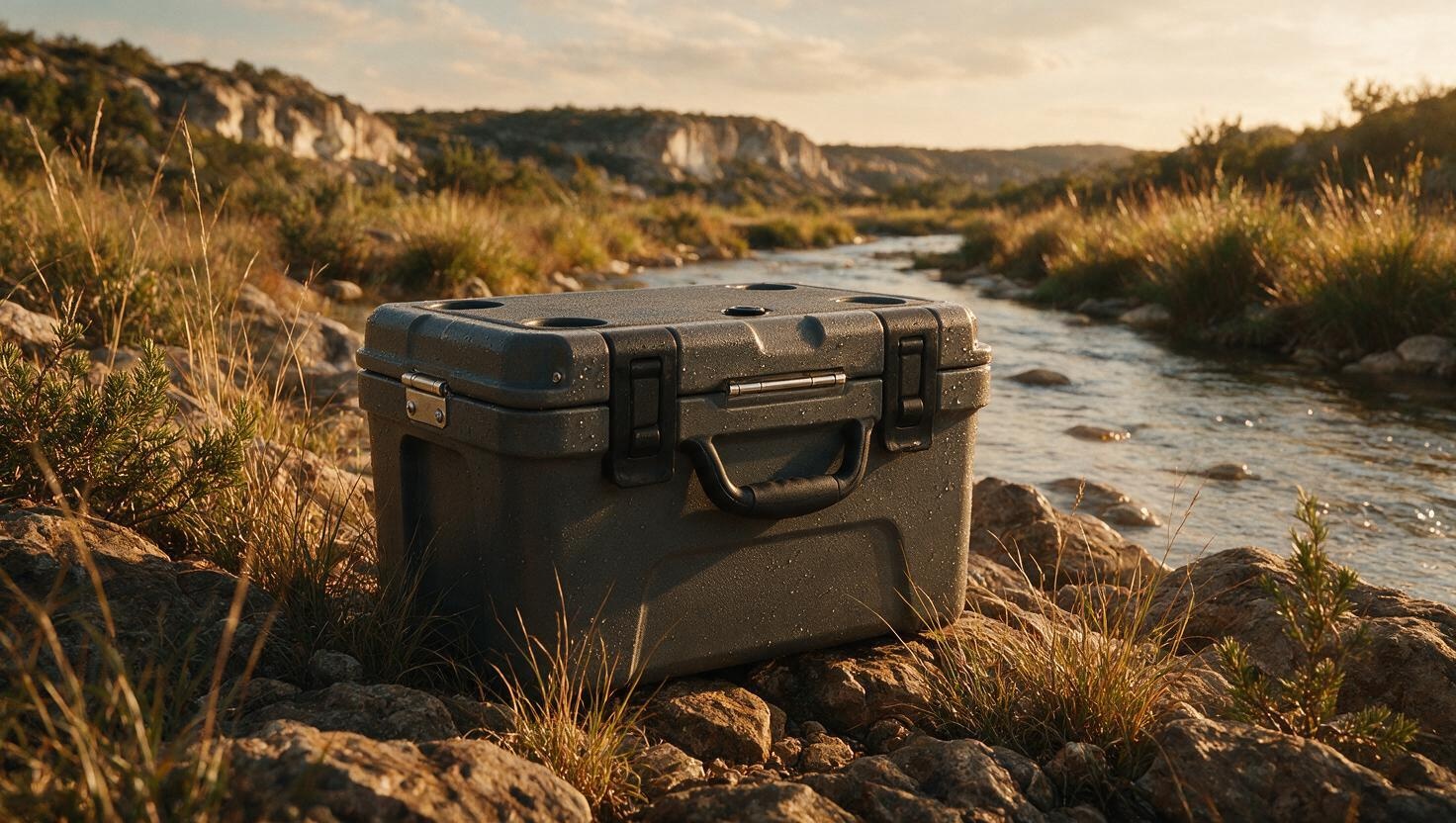
In 2006, two brothers wanted a better cooler for outdoor use. The product they created eventually sold for prices that made no obvious sense — and sold well at those prices.
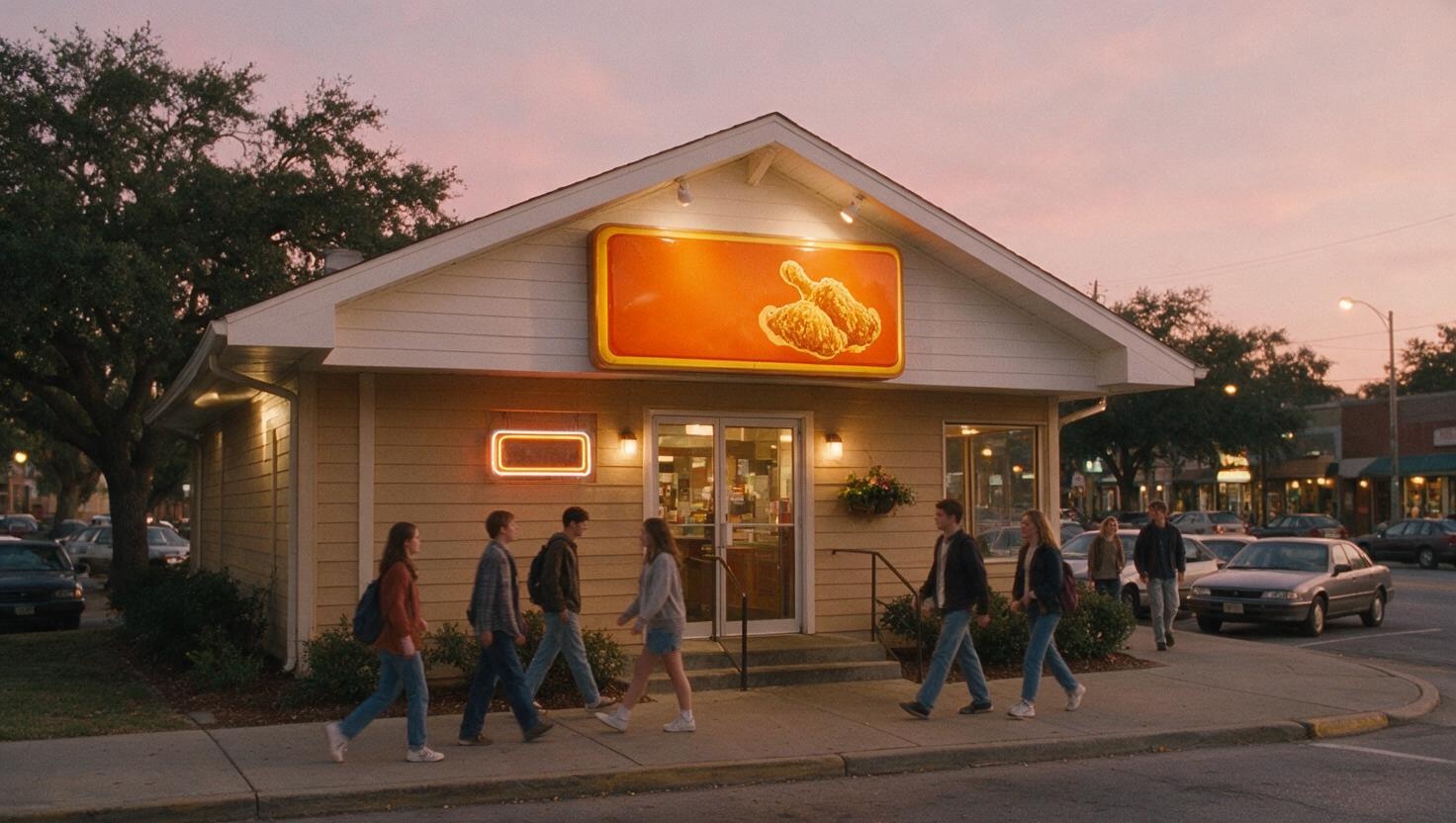
Most restaurant chains expand their menus over time. This one had a different answer to that instinct.
In 1945, a young couple in Portland needed a way to move their belongings and couldn't easily rent the equipment to do it. That specific problem became a company.
It doesn't stock most national brands. It doesn't have loyalty cards. Its stores are small by grocery standards. Most chains that tried variations of this approach didn't last.
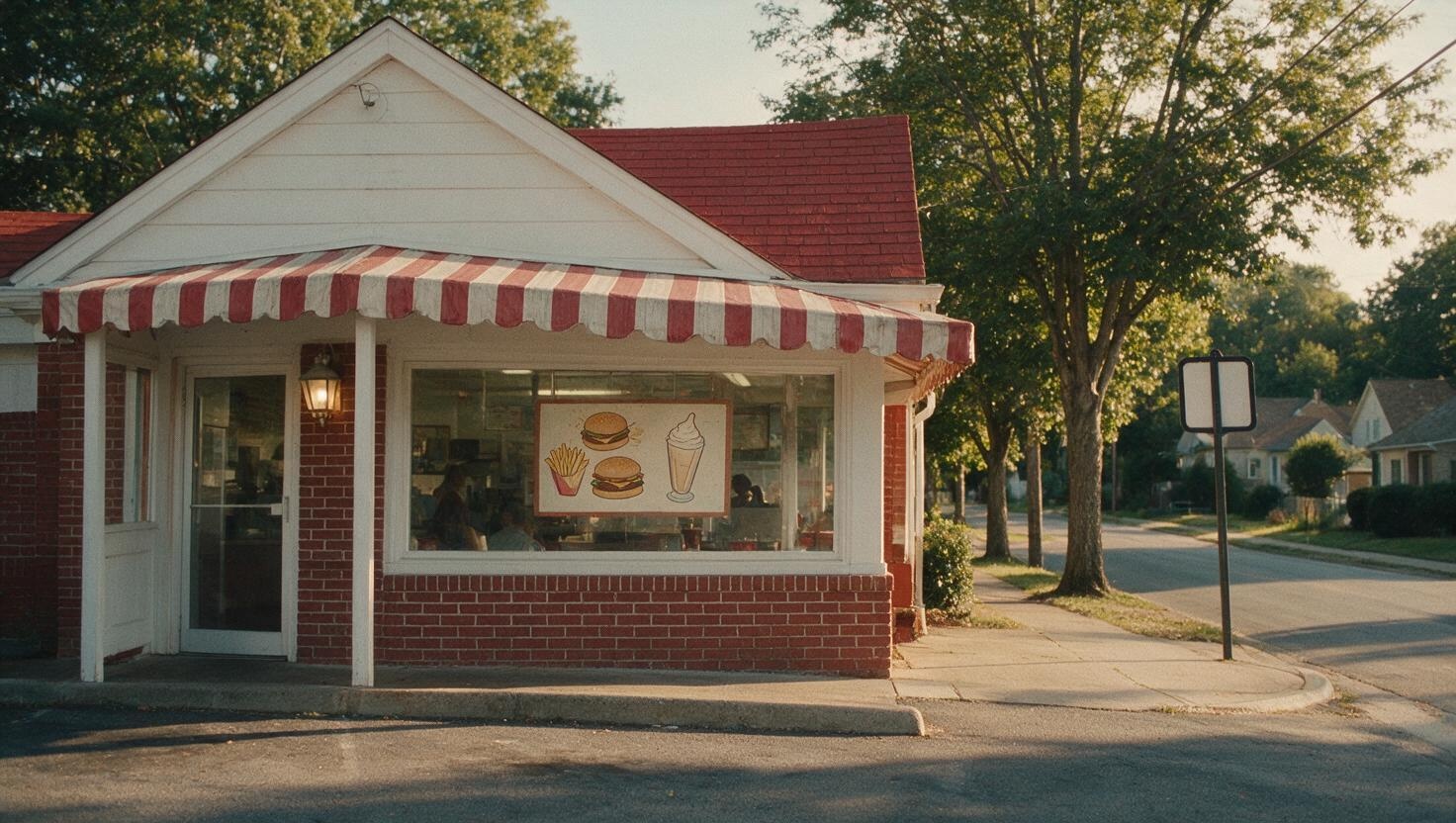
A family opened a single burger restaurant in suburban Virginia in 1986 with a deliberate choice not to franchise. That decision changed significantly.
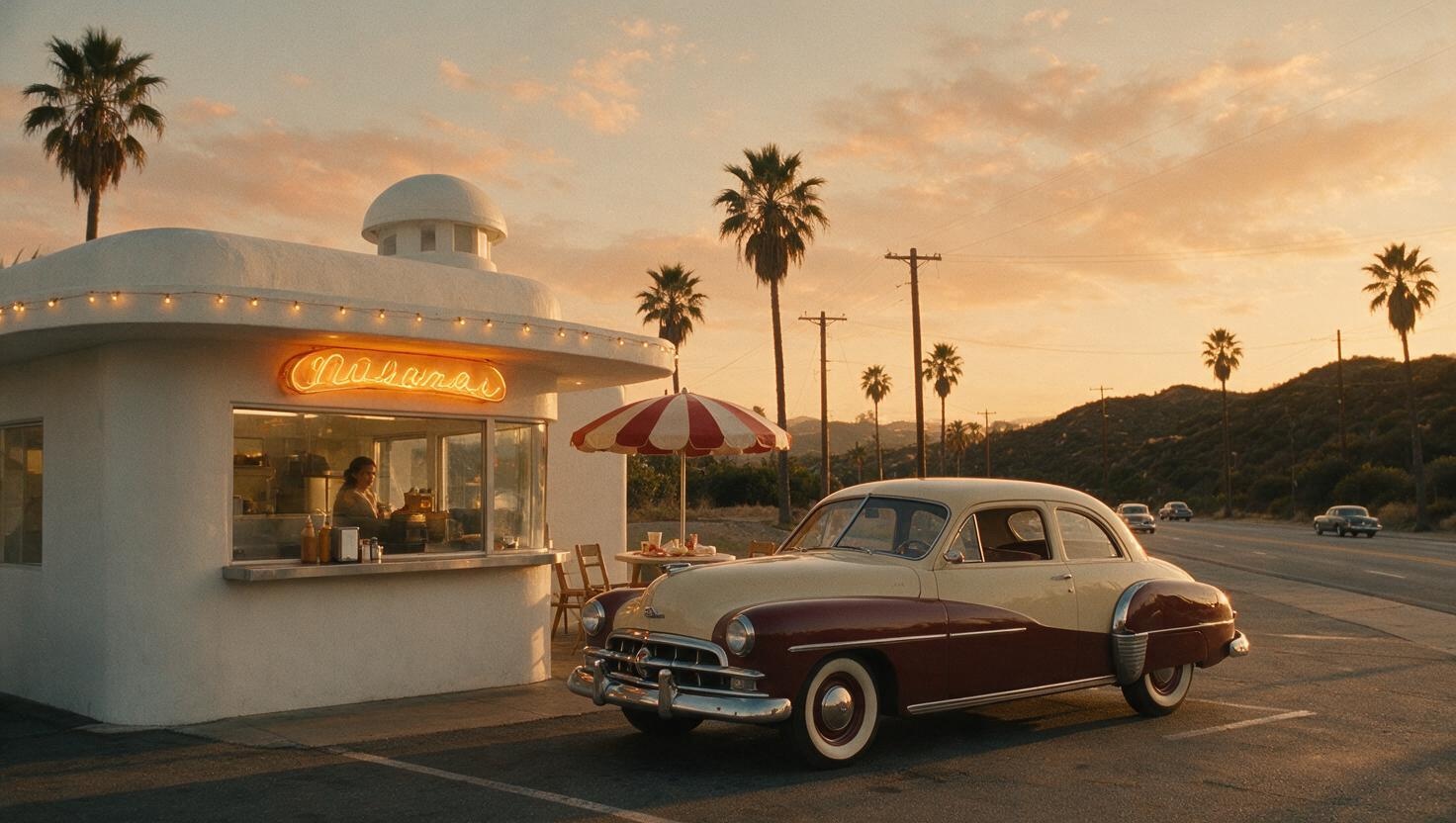
The first location opened in San Diego in 1976. The story of how it became a national institution involves several unexpected turns.
It launched in 1992 with an unusual commitment: keep the 99-cent price point even as costs rose. Treating price as a brand attribute rather than a variable is part of how it survived.
Before it existed, hardware retail meant small, cluttered stores with limited selection. The founders had a specific vision for what the category could become.
A term paper proposed overnight delivery as a business model. The grade it received is frequently cited. The company built on that idea is less frequently analyzed.
"I know this company, but I had no idea that was how it happened."
We investigate the decisions, risks and turning points that made familiar companies what they are.
About the Project